Engineering-Intensive Casting Solutions: When Standard Foundries Aren’t Enough
In heavy industry, the difference between a successful project and a costly failure often comes down to one factor: engineering. While many foundries are capable of producing standard castings at scale, highly demanding applications require a deeper level of technical expertise, metallurgical insight, and manufacturing precision. That is where complex cast steel engineering solutions become essential.
For industries operating in extreme environments — including energy, oil and gas, marine, infrastructure, and industrial processing — cast components are expected to withstand enormous stress, harsh operating conditions, corrosion, temperature fluctuations, and continuous wear. In these applications, choosing the lowest-cost casting supplier can create significant operational risk.
Engineering-intensive casting providers approach projects differently. Instead of simply producing parts from drawings, they combine metallurgical engineering solutions, manufacturing process optimization, and application-specific consultation to create components designed for long-term performance and reliability.
Commodity Castings vs. Engineering-Led Solutions
Not all castings are created equally. Commodity castings are typically manufactured for general-purpose applications where tolerances, material performance, and operating conditions are relatively straightforward. In these cases, foundries primarily focus on production efficiency and cost reduction.
Engineering-led casting solutions are fundamentally different.
Tolerances and Performance Requirements
Complex industrial systems often require cast components with extremely tight tolerances and highly specific mechanical properties. Slight inconsistencies in material composition, dimensional accuracy, or heat treatment can lead to premature wear, cracking, distortion, or catastrophic failure.
Engineering-intensive foundries prioritize:
- Precise metallurgical controls
- Advanced simulation and modeling
- Rigorous quality assurance
- Material traceability
- Process repeatability
These capabilities help ensure that castings perform consistently under real-world operating conditions, not just during inspection. This level of control is what separates commodity suppliers from providers of complex cast steel engineering solutions.
Application Complexity
Complex cast steel engineering solutions are often required when components must function within highly engineered systems. A casting may need to interact with pressure systems, rotating equipment, abrasive materials, or corrosive environments simultaneously.
In these cases, the casting is not simply a standalone component — it becomes a critical performance element within the broader system.
Engineering-led foundries evaluate:
- Load conditions
- Thermal expansion
- Fatigue resistance
- Corrosion exposure
- Weldability
- Machining requirements
- Lifecycle expectations
This application-focused approach allows manufacturers to reduce risk while improving long-term reliability and operational efficiency through advanced industrial metallurgical solutions.
When Projects Require Metallurgical Expertise
Some projects cannot rely on standard material selections or generic manufacturing methods. They require specialized metallurgical engineering solutions designed around demanding operating conditions.
High-Stress or Regulated Environments
Industries such as oil and gas, energy generation, marine infrastructure, and industrial processing operate under intense regulatory and performance standards. Components may experience:
- High pressure
- Extreme temperatures
- Cyclical loading
- Abrasive wear
- Chemical corrosion
- Continuous duty cycles
In these environments, casting failures can result in unplanned downtime, environmental risks, safety hazards, and major financial losses.
Engineering-intensive foundries use advanced metallurgy engineering practices to select materials and manufacturing processes capable of meeting these demands. This includes analyzing grain structure, hardness, impact resistance, tensile strength, and corrosion behavior to optimize performance.
Custom Alloys and Geometries
Many industrial applications require custom alloys that cannot be sourced through standard commodity manufacturing channels. Specialized alloys may be needed to improve:
- Heat resistance
- Corrosion resistance
- Wear life
- Structural integrity
- Fatigue performance
Complex geometries also create additional manufacturing challenges. Thin walls, intricate internal passages, varying section thicknesses, and large-scale castings all require advanced engineering oversight throughout the production process.
Engineering-intensive casting providers integrate metallurgical manufacturing process optimization into every phase of production to ensure the final component performs as intended. This level of optimization is especially important for high-performance applications where reliability and longevity directly impact operational costs.
Industries That Depend on Engineering-Intensive Castings
Numerous industrial sectors depend on high-performance castings that require specialized engineering support.
Energy and Oil & Gas
Energy infrastructure places extraordinary demands on cast components. Equipment used in upstream, midstream, and downstream operations often operates under extreme pressure, high temperatures, and corrosive conditions.
Critical applications may include:
- Valve bodies
- Pump housings
- Compressor components
- Pressure-containing structures
- Flow control systems
In these industries, industrial metallurgical solutions are essential for ensuring operational safety, minimizing downtime, and extending equipment life.
Marine and Infrastructure
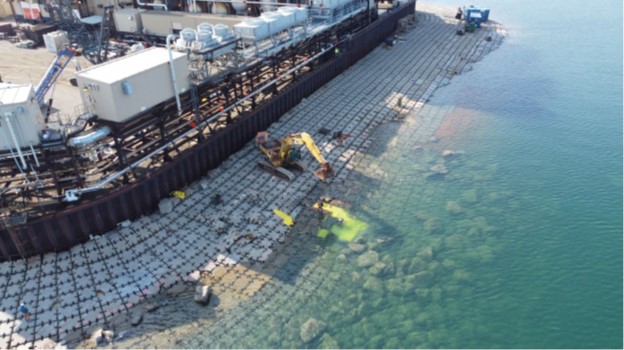
Marine and infrastructure environments expose components to constant moisture, saltwater corrosion, vibration, and mechanical loading. Structural failures in these applications can have severe operational and financial consequences.
Engineering-intensive castings are commonly used for:
- Marine propulsion systems
- Structural infrastructure components
- Dredging equipment
- Heavy lifting systems
- Transportation infrastructure
Success in these applications depends heavily on material selection, corrosion resistance, and fatigue performance.
Industrial and Process Equipment
Industrial processing systems often involve abrasive materials, high temperatures, or chemically aggressive operating conditions. Components must maintain dimensional stability and mechanical integrity over extended service cycles.
Applications may include:
- Mining systems
- Material handling equipment
- Processing plants
- Cement operations
- Chemical production facilities
Engineering-led casting manufacturers help optimize these systems through specialized metal manufacturing engineering consultation and performance-focused design improvements.
How Metallurgy Impacts Casting Performance
Metallurgy plays a central role in determining whether a casting succeeds or fails in service. Even small variations in chemistry or heat treatment can significantly affect durability and performance.
Alloy Selection
Choosing the correct alloy is one of the most important decisions in the casting process. Different operating environments require different material characteristics.
Engineering teams evaluate factors such as:
- Mechanical loading
- Corrosion exposure
- Temperature extremes
- Abrasion levels
- Weldability requirements
- Machining considerations
The right alloy selection can dramatically improve component longevity while reducing maintenance costs and operational interruptions. This is one reason why complex cast steel engineering solutions require extensive metallurgical expertise from the earliest stages of design.
Heat Treatment
Heat treatment is critical for achieving the desired mechanical properties in steel castings. Properly controlled heat treatment processes can improve:
- Hardness
- Strength
- Toughness
- Ductility
- Wear resistance
- Stress relief
Without proper process control, heat treatment inconsistencies can create internal stresses or weak points that reduce component reliability.
This is why advanced metallurgical engineering solutions place significant emphasis on process validation and quality monitoring throughout production.
Failure Prevention
Engineering-intensive casting providers focus heavily on failure prevention because reactive repairs are significantly more expensive than proactive engineering.
Failure analysis often examines:
- Material defects
- Improper alloy selection
- Fatigue cracking
- Thermal stress
- Corrosion damage
- Casting discontinuities
By understanding the root causes of previous failures, engineering teams can improve future casting performance through smarter material selection and manufacturing optimization.
Optimizing the Manufacturing Process for Complex Castings
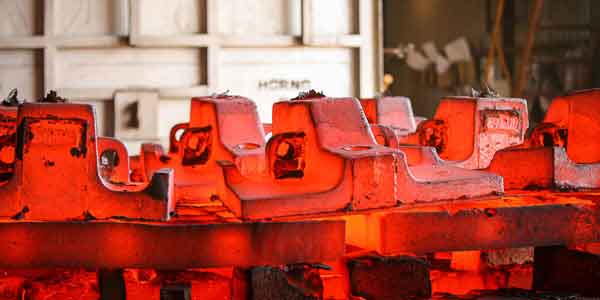
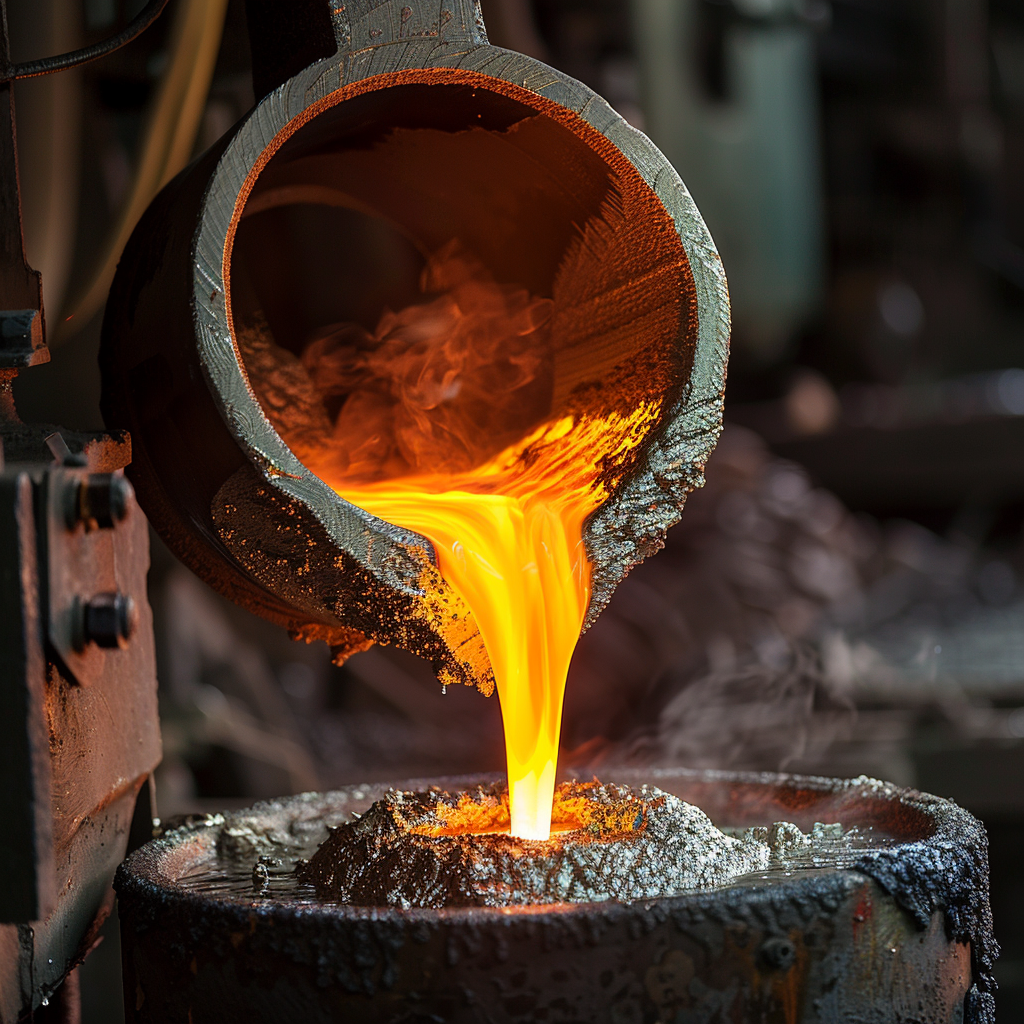
Manufacturing complex steel castings requires far more than pouring molten metal into a mold. Every stage of production influences final performance.
Process Control
Engineering-intensive foundries implement strict process controls throughout manufacturing. This includes monitoring:
- Pour temperatures
- Cooling rates
- Mold integrity
- Chemical composition
- Dimensional accuracy
- Heat treatment cycles
Consistent process control reduces variability and improves repeatability, which is especially important for high-performance industrial applications. Effective metallurgical manufacturing process optimization also helps reduce defects, improve consistency, and increase long-term casting reliability.
Quality Assurance
Comprehensive quality assurance programs are essential for complex cast steel engineering solutions. Advanced inspection and testing methods may include:
- Non-destructive testing (NDT)
- Radiographic inspection
- Ultrasonic testing
- Magnetic particle inspection
- Mechanical testing
- Chemical analysis
These measures help identify defects before components enter service, reducing operational risk and protecting long-term equipment reliability.
Performance Validation
Engineering-intensive manufacturers often conduct extensive validation testing to confirm that castings will perform under real operating conditions.
This may involve:
- Pressure testing
- Load testing
- Corrosion analysis
- Wear testing
- Fatigue simulations
- Dimensional verification
Performance validation ensures that components meet both engineering specifications and operational expectations before deployment.
How FC Casting Solutions Solves Complex Casting Challenges
FC Casting Solutions takes an engineering-first approach to complex industrial casting projects. Rather than functioning solely as a production supplier, the company works collaboratively with customers to solve manufacturing and performance challenges from the earliest design stages through final production.
Engineering Consultation
FC Casting Solutions provides specialized metal manufacturing engineering consultation to help customers identify the best material, geometry, and manufacturing approach for each application.
This collaborative process helps address:
- Material selection challenges
- Performance optimization
- Manufacturability concerns
- Failure prevention
- Lifecycle cost reduction
By engaging early in the project lifecycle, engineering teams can identify opportunities to improve reliability and reduce long-term operational costs.
Manufacturing Optimization
Complex castings require careful coordination between engineering and manufacturing teams. FC Casting Solutions focuses heavily on metallurgical manufacturing process optimization to improve consistency, quality, and performance.
This includes:
- Process refinement
- Casting simulation
- Heat treatment optimization
- Quality control integration
- Continuous improvement initiatives
The result is a more reliable and repeatable manufacturing process capable of supporting highly demanding industrial applications and delivering dependable complex cast steel engineering solutions.
Long-Term Performance Focus
For FC Casting Solutions, success is measured by long-term casting performance in the field — not simply by delivering parts on time.
The company’s engineering-intensive approach helps customers achieve:
- Extended equipment life
- Reduced downtime
- Improved operational reliability
- Lower maintenance costs
- Better lifecycle value
This focus on long-term performance is particularly valuable for industries where equipment failure carries substantial operational and financial consequences.
Conclusion
As industrial systems become more advanced and operating environments grow increasingly demanding, standard foundries are often no longer enough. Projects involving extreme conditions, tight tolerances, custom alloys, or mission-critical performance require specialized engineering expertise at every stage of the casting process.
That is why complex cast steel engineering solutions continue to play a growing role across energy, marine, infrastructure, and industrial manufacturing sectors.
When performance matters more than price, engineering-intensive casting solutions become the differentiator. Through advanced metallurgy engineering, manufacturing optimization, and collaborative consultation, FC Casting Solutions helps customers solve complex casting challenges while improving long-term reliability, safety, and operational performance.